Mining Careers in Australia Explore High-Impact Opportunities
Trusted across Australia









Why Choose a Career in Construction?
Mining is among Australia’s best-paid industries. According to Jobs & Skills Australia, workers in mining average weekly earnings well above national industry medians.
You can work in extraction, processing, logistics, sustainability, planning, maintenance, or environmental roles. With global demand for minerals, many companies are expanding operations.
Since 2020, mining job vacancies in Australia have more than doubled, reflecting a widening talent gap. At the same time, enrolments in mining engineering programs have been declining, intensifying the scarcity of specialized talent.
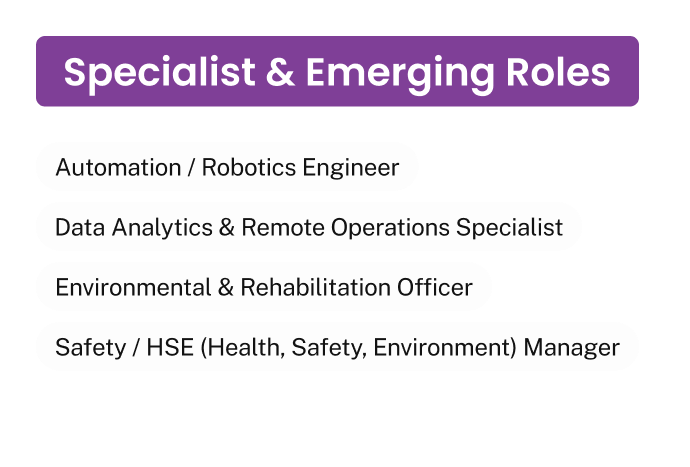
Automation, digital mining, AI, remote operations, and ESG (Environmental, Social, Governance) pressures are reshaping roles — elevating demand for tech-savvy and multi-skilled workers.
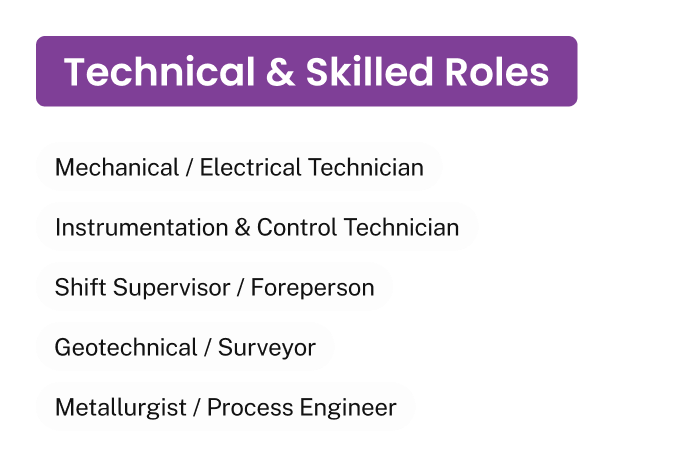
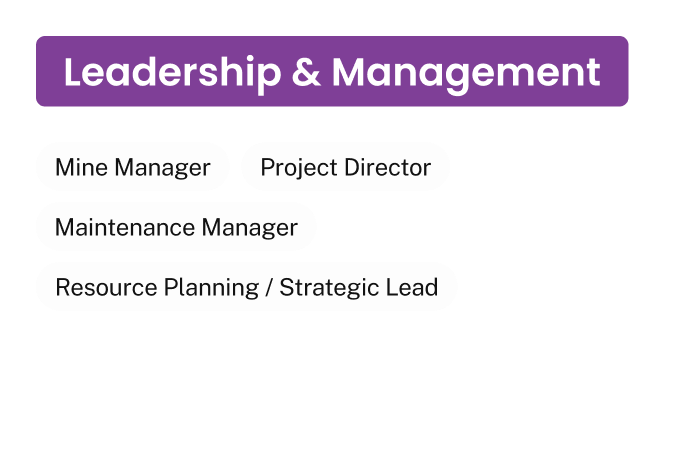
Roles & Career Paths in Mining

Skills, Qualifications & Certifications You’ll Need
Core Qualifications
Licenses, Certifications & Safety Training
In-Demand Skills & Attributes
Continued Learning & Upskilling

Job Locations & Work Models
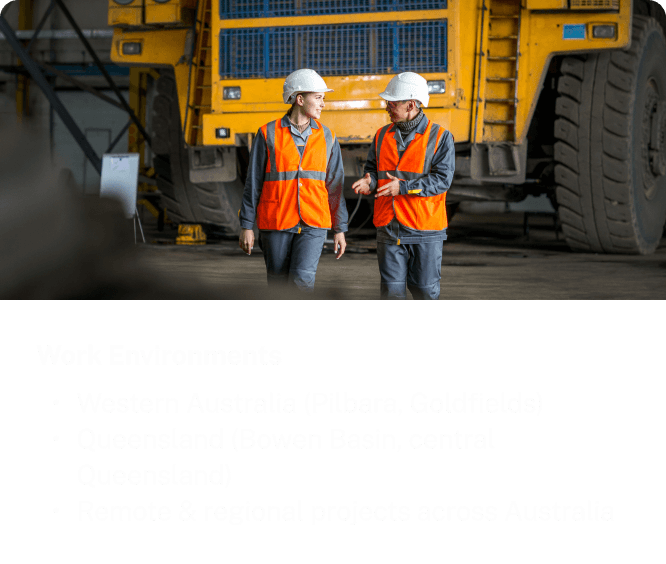
Work Models & Rosters
- FIFO (Fly-In / Fly-Out) remains common on remote sites
- Roster patterns: e.g. 8 days on / 6 off, 14 on / 7 off, or similar
- Some resident roles in mining towns and local hubs
- Shift or rotating shifts, 12-hour rosters typical
Salary & Benefits



- Roster premiums, overtime, shift loadings
- Relocation assistance, housing in camps
- Travel allowances, remote area bonuses
- Health and safety support, insurance, training

Visa, Sponsorship &
Migration Opportunities
- Mining trade roles (mechanics, electricians, drillers, heavy equipment operators) are often in shortage and eligible for employer sponsorship.
- International candidates may qualify for visa pathways like the TSS (Temporary Skill Shortage) visa or state-nominated pathways depending on role and region.
-
Workforce Abundance helps with:
- Skills and trade recognition for overseas-trained workers
- Matching candidates with mining employers approved for sponsorship
- Guidance on relocation, migration compliance, and settling in remote areas

FAQs
Can I work in mining if I’m overseas-trained?
Yes — many trade and technician roles are eligible for sponsorship. You’ll typically need qualification recognition, bridging training, and matching with a sponsor employer.
What roster patterns are common in mining?
Common rosters include 8/6, 14/7, or 12-hour shift rotations. Some roles may offer resident work in mining towns.
Is mining a safe industry to work in?
Safety is critical. Mining companies follow strict regulations, regular training, and site protocols. Your safety training and adherence will be rigorous.
How quickly can I start a role?
Time depends on credential recognition, employer requirements, and visa pathways. With full support, many candidates begin within a few months.
What are the challenges of mining work?
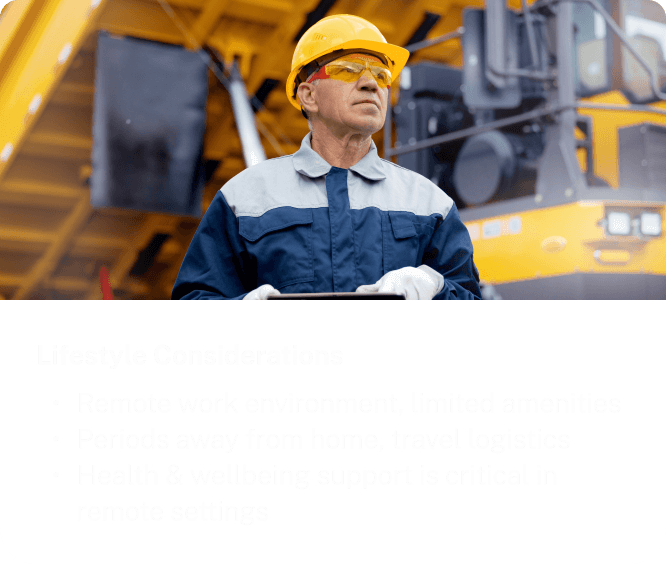
Remote locations, extended roster periods, isolation, physical demands, and adjusting to camp life are typical challenges. But many workers gain excellent remuneration and career growth.

Trusted across Australia